Willingness is not giving in. It is keeping your values and letting go of the strategies you gripped to protect them.
A child finds a cocoon with a butterfly struggling to get out. It looks painful, so the child fetches scissors and carefully cuts the cocoon open. The butterfly comes out easily. Its wings are small and crumpled, and they never open.
It was the struggle that would have straightened and strengthened the wings.
The third of the Twelve Steps asks a person to make a decision: to stop managing their life alone and accept guidance. After honesty and hope, this is where something is actually handed over, and it frightens people, because it sounds like losing control. Yet it may be the moment control comes back: instead of handing yourself over to using, you deliberately go looking for advice.
In English we have two words for the edges we set: boundaries and limits. Boundaries comes from bound, and I find it useful because it carries three meanings that limits does not. Northbound is a direction I turn towards: living by my true north as it unveils. Bound by my word is a commitment I make. Bound to happen is where it leads: once I choose my values and my goals, meeting them and becoming the new me is bound to happen. A decision of this kind is all three. I picture it as the bank of a river, which gives the water its direction and lets it put all its energy one way. It is not a cage. It is a guide.
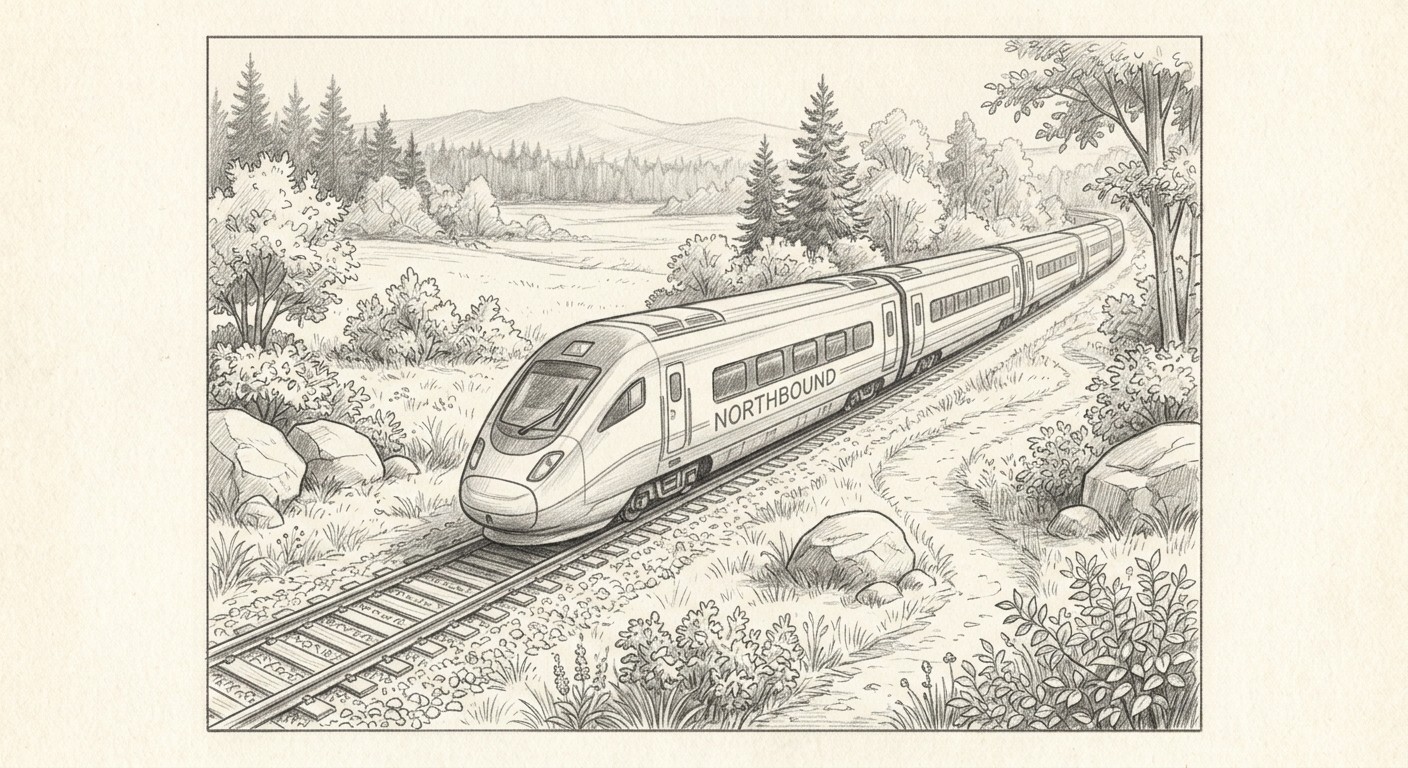
Illustration: AI-generated
You are not letting go of the reins of your life. You are letting go of the strategy you used to manage it. Your values stay. Say you value connection, and for years your strategy for finding it was drinking to be part of the group. Connection is a healthy value; the strategy was the wrong one. In recovery the strategy changes: a meeting, a phone call, an honest conversation.
Under pressure, most strategies are reflexes: fight, flight, freeze, or keeping the peace. Willingness starts very small, with one breath before the reflex.
Families meet their own third step, and the cocoon is where it shows. Watching someone you love struggle is hard, and the scissors are always within reach: the phone call made on their behalf, the bill quietly paid, the excuse offered before they are asked. Each of these comes from love, and each takes away a little of the struggle that builds the wings. What matters is deciding what really protects them, what they truly need, and which actions they can start taking responsibility for. That takes healthy conversations, with clear rules and manageable responsibilities that lead towards independence.
The sentence I offer families is this: “I stand by you, but I cannot make decisions for you. Let me walk alongside you.”
A short set of questions helps when you are not sure. Is this my problem? If not, let go, and return to your own priorities. If it is, can I do something about it? If not, step back or take a smaller step. If you can, make a plan in manageable pieces and carry it out calmly.
Your value, their wellbeing, stays. What you put down is the strategy of being accountable for them. Letting go is part of believing they can find their way forward, in small, steady steps.
What are you willing to put down?
Finish this sentence: “Today I’m willing to ______.” It can be very small: to wait before answering, to ask before helping, to let one thing be theirs.
If this touches something heavy, talk to someone you trust: a counsellor, a family support group, a good friend. You don’t have to carry it alone either.
Ideas from the Twelve Steps and from my book New Boundaries, New Beginnings. The cocoon is an old teaching story.