When someone in recovery says “I miss it”, families hear an alarm. Often it is something else: grief.
Johnny was given his grandfather’s railway watch when he turned sixteen. He wound it every morning at half past six. A few years later he sold it to an uncle, and that was how his parents understood something was badly wrong.
After a year sober, he agreed to see them. They handed him a small box. The watch. He wound it, it began to tick, and he burst into tears. “Look at all the hours I missed. Look at all the time it stood still.”
His father said: “It was only waiting for you to be ready to wind it.”
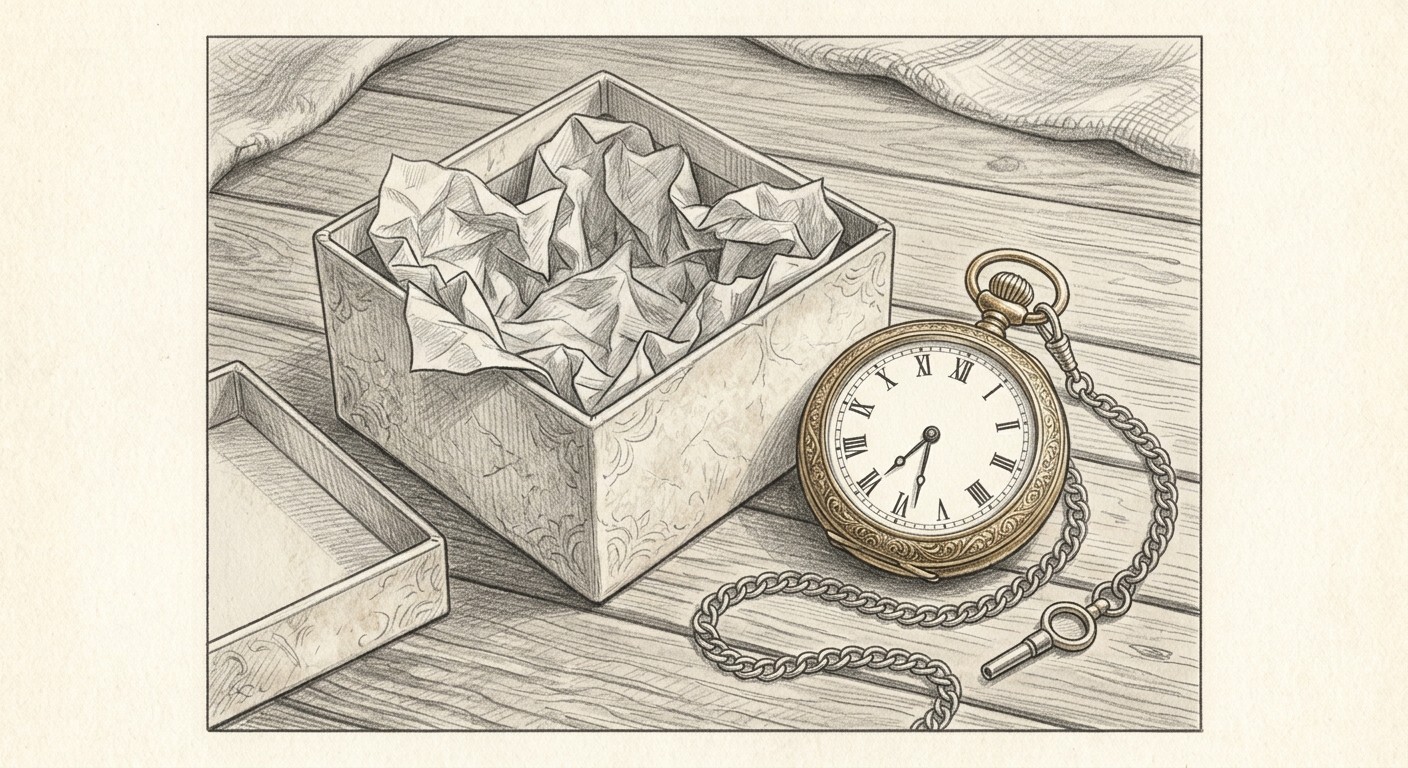
Illustration: AI-generated
Johnny’s parents expected joy and got tears. That is common, and it is not a bad sign. Recovery is a gain, and it is also a goodbye: to routines that gave the day a shape, to a crowd where one belonged, to years that will not come back, to the person one was known as. While the substance was there, it numbed all of that. Sobriety takes the buffer away, and the grief arrives late and all at once.
The grief researcher Kenneth Doka has a name for losses that other people do not recognise as worth mourning: disenfranchised grief. “You should be glad it’s over” is true, and it also closes the door. Grief that has no room tends to come out some other way.
So when you hear “I miss it”, it may help to ask what sat underneath. Usually it is not the substance. It is the laughter, the boldness, the feeling of being part of something. Those qualities were real, and they are still theirs. The loyalty that once covered for friends can now show up for people who are trying. The nerve that took risks can now say an honest thing kindly.
A lobster outgrows its shell and has to leave it. For a while it is soft and exposed, and it hides under a rock until the new shell hardens. Someone in early recovery is between shells. They need a little shelter, and part of hardening the new shell is processing old events and emotions, maybe seeing them for the first time.
There is a second grief in the room, and it is yours. You also lost years. The watch stood still for the whole family.
What could you ask instead?
Next time you hear “I miss it”, try: “What do you miss about it?” Then listen, without correcting. And allow yourself to miss too: events, people, what-could-have-beens, and let them go.
If this touches something heavy, talk to someone you trust: a counsellor, a family support group, a good friend. You don’t have to carry it alone either.
Ideas from Kenneth Doka (disenfranchised grief) and Robert Neimeyer (grief as rebuilding one’s story). This story is fictional.