The word “impressionist” was born as an insult. The group took the name for themselves.
Imagine you are a painting. You hang in a hall of classical masterpieces. Visitors stop in front of you, compare you with the other works and suggest corrections: sharper lines, a better finish, a proper subject.
And you can’t see your own canvas.
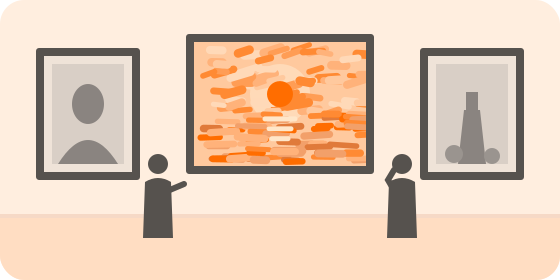
Almost all of us have been in that hall. “Too sensitive.” “Too intense.” “Too quiet.” “Not serious enough.” The corrections come from parents, teachers, bosses, sometimes from a whole culture, and since we can’t see ourselves from the outside, we tend to believe the visitors.
Paris, 1863. The official Salon rejected so many paintings that the emperor allowed a separate exhibition for them, the Salon of the Rejected. Plenty of people came, many of them to laugh. Eleven years later, in 1874, the critic Louis Leroy looked at a small, misty harbour scene by Claude Monet, titled Impression, Sunrise, and mocked the whole group by calling them “impressionists”: people capable of an impression and nothing more.
The group adopted the word and made it their own. What the critic despised, catching light as it is in an instant, was exactly what they were after. The values by which the critic judged them were not the values by which they saw themselves.
Monet painted Rouen Cathedral more than thirty times: in morning fog, in full sun, at sunset. The building is the same in every one; what changes is the light. A person is no different: you are not a fixed image. You respond to light, and it’s worth knowing which one suits you: where you feel at peace, in what kind of space you can give your best.
Two exercises:
1. Write two reviews of yourself. The first is by the Salon critic, who judges you by rules that were never yours or no longer apply. The second is by an impressionist colleague, someone who understands what you are building. What would each one write?
2. Reframe a label. Take a criticism you received. Write what it means by the critic’s values. Then write what it says by yours, your strengths. For the critic, “too sensitive” means “you exaggerate”. For an impressionist colleague, it means “notices what others don’t see”. Write this new description where you can see it, and choose a place this week to use that quality on purpose.
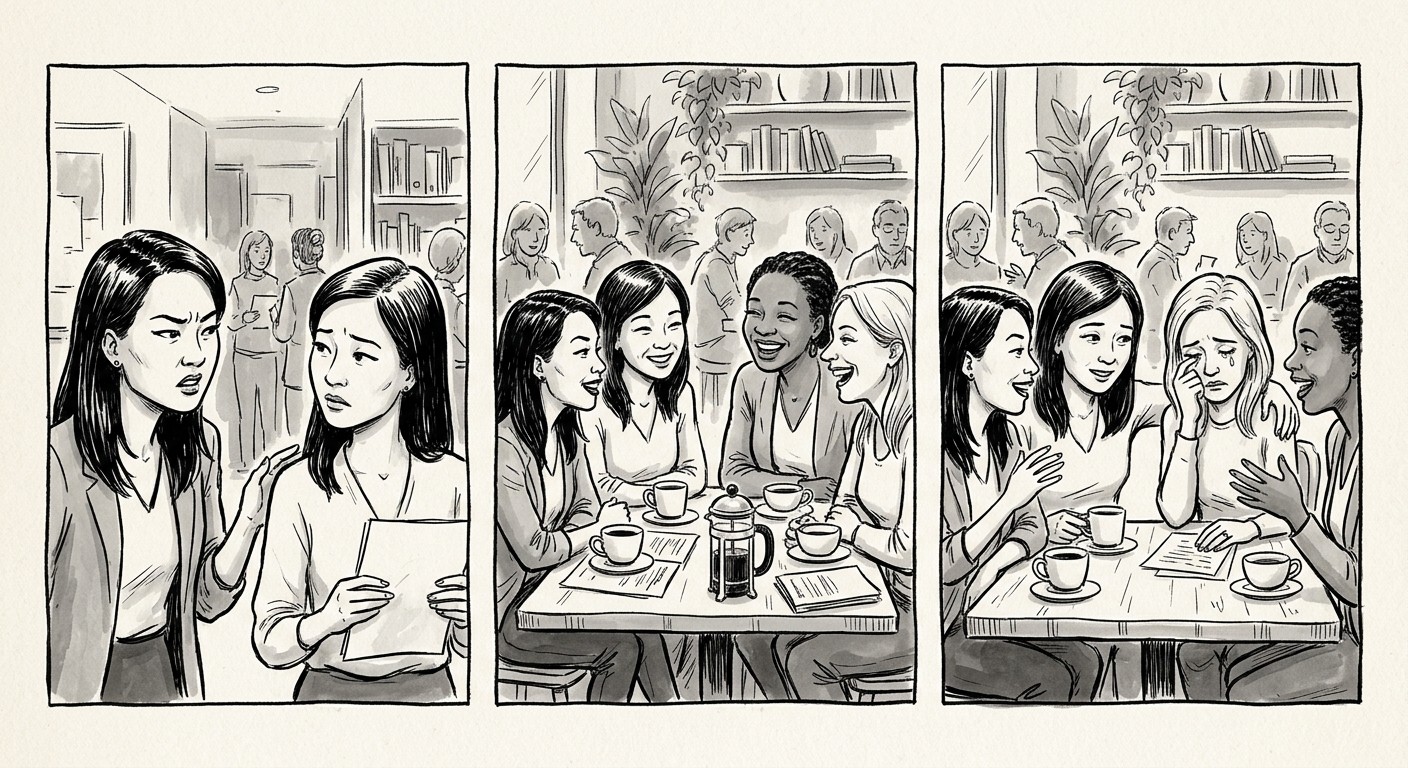
Illustration: AI-generated
And a less comfortable question: how often are you the critic, of others and of yourself?
Reframing a label doesn’t mean every criticism is wrong. Some corrections are worth accepting. The point is to check which values and which rulebook the criticism came from before repainting the canvas.
Who wrote that criticism?
Think of the one you’ve believed the longest. Who wrote it, and by what rules? If you’d like company in reframing it, let’s meet in a clarity session.